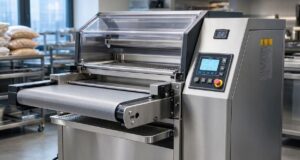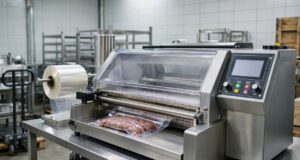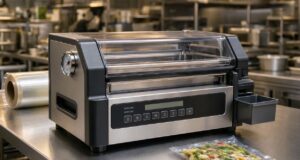
Choosing the best commercial vacuum sealer can feel confusing when you have dozens of machines to compare. Some models look almost identical, while others come with different chamber sizes, sealing bars, pumps, controls, and price tags.
Disclosure: As an Amazon Associate I earn from qualifying purchases. Read our Amazon Affiliate Disclosure for more information.
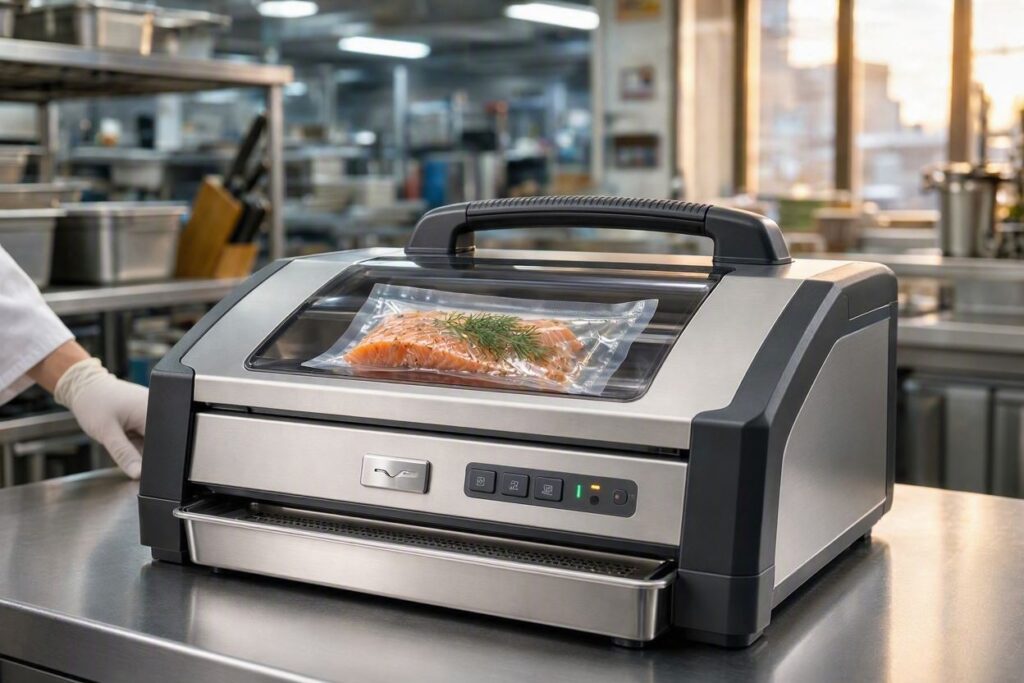
The right machine does not have to be the biggest one.
It does not have to be the most expensive either.
You need a machine that fits the way you work.
A restaurant that seals a few portions each day has different needs from a butcher shop that packages hundreds of meat products. A small meal-prep business may care more about speed and countertop space, while a food-processing company may need a larger machine built for repeated cycles.
Before you buy anything, take a close look at your products, packaging volume, bag sizes, workspace, and daily routine.
This guide explains what to look for in the best commercial vacuum sealer and how to use one properly from start to finish.
What Is a Commercial Vacuum Sealer?
A commercial vacuum sealer removes air from a suitable package and then seals the bag.
The machine uses a vacuum system to pull air away from the product. After that, it creates a sealed closure around the bag opening.
Commercial vacuum sealers generally target businesses that package products regularly.
You may find them in:
- Restaurants
- Butcher shops
- Catering businesses
- Meal-prep kitchens
- Food-processing facilities
- Grocery operations
- Small food-production businesses
Some machines use a chamber design.
Others use an external vacuum system.
Both can work well when you choose the machine for the right job.
Why Does Choosing the Right Machine Matter?
A vacuum sealer can become part of your daily workflow.
If the machine works too slowly, employees may spend extra time waiting for each cycle.
If the chamber is too small, large products may not fit.
If the sealing bar is too short, you may struggle with larger bags.
If the machine does not suit your packaging material, you may experience weak seals or damaged bags.
That is why you should focus on your actual requirements instead of buying based on appearance alone.
Step 1: Calculate Your Packaging Volume
Start with one simple question:
How many packages do you seal in a normal day?
Write down the number.
For example, a small operation might seal 30 to 50 packages daily. A busy commercial kitchen could handle much more.
Your workload helps determine how much machine capacity you need.
Check the manufacturer’s recommended duty cycle and operating limits before buying.
Do not assume that a machine can operate continuously just because the manufacturer describes it as commercial or heavy duty.
Step 2: Decide What You Want to Package
Next, make a list of your products.
You may package:
- Beef
- Chicken
- Fish
- Cheese
- Vegetables
- Prepared meals
- Ingredients
- Suitable dry foods
Think about the shape and size of each product.
A flat piece of food takes up less space than a large irregular product.
Also consider moisture.
If you regularly package products containing sauces or liquids, a chamber vacuum sealer may offer practical advantages for certain applications.
Always follow the manufacturer’s instructions.
Step 3: Choose Chamber or External Vacuum Sealing
This is one of the most important choices.
Chamber Vacuum Sealer
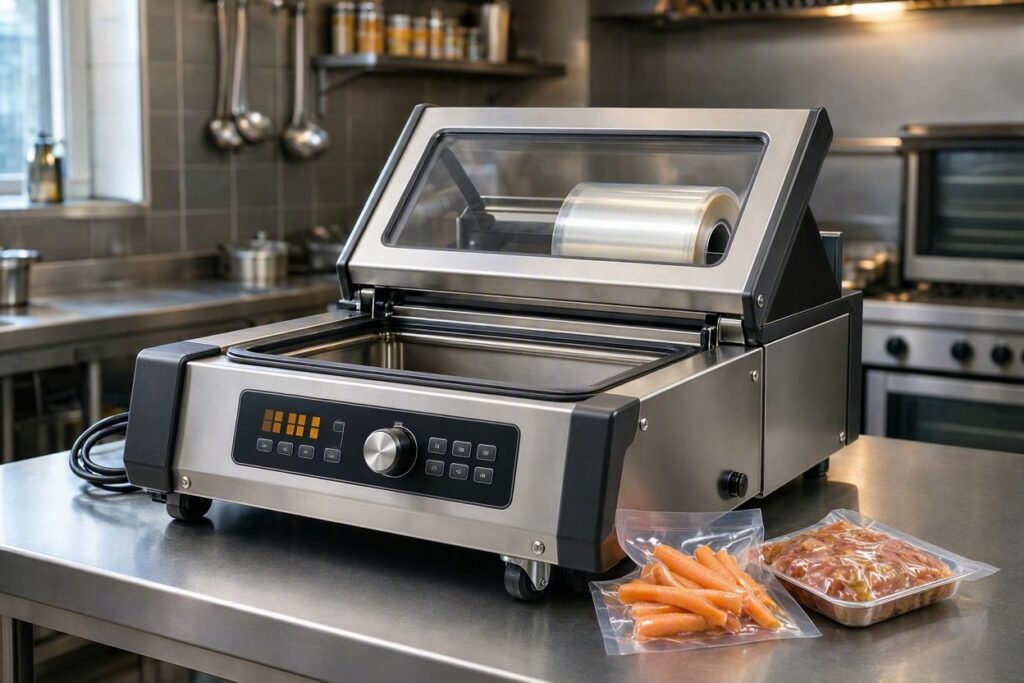
A chamber machine places the complete bag inside a chamber.
The machine removes air from the chamber and package before sealing the bag.
This design works well for many commercial applications.
It can also suit certain liquid-containing products when you use the machine according to the manufacturer’s instructions.
External Vacuum Sealer
An external machine keeps most of the bag outside the unit.
It removes air through the open end before sealing it.
This design can work well for certain smaller operations and specific packaging jobs.
Neither design automatically makes one machine the best for every business.
Your products and workload should decide.
Step 4: Measure Your Largest Products
Do not measure only your average products.
Measure the largest items you regularly package.
If you want a chamber machine, compare those measurements with the internal chamber dimensions.
Also measure your largest bag.
Then check the machine’s maximum sealing width.
This simple step can prevent an expensive buying mistake.
Step 5: Check the Sealing Bar
The sealing bar creates the final closure.
Its length determines the width of the bag you can seal.
If you package large portions, look for an appropriate sealing width.
If your products remain small, you may not need a very wide sealing bar.
Think about your current products and the products you expect to package in the future.
Step 6: Compare Vacuum Pump Performance
The vacuum pump plays an important role in the machine’s operation.
Look at the manufacturer’s specifications rather than relying only on marketing claims.
Compare pump capacity, expected cycle performance, and recommended workload.
A busy business should consider how long each cycle takes.
Even a few seconds saved on every package can add up over hundreds of cycles.
Step 7: Look at the Machine Controls
Simple controls can make a machine much easier to use.
Some commercial vacuum sealers allow operators to adjust vacuum and sealing settings.
That flexibility can help when you work with different products or packaging materials.
However, more buttons do not automatically mean a better machine.
Choose controls that your employees can understand and use consistently.
Step 8: Check the Bag Compatibility
The vacuum sealer and bag need to work together.
Check the manufacturer’s recommendations for compatible bags.
Look at:
- Bag material
- Thickness
- Size
- Sealing requirements
- Intended application
Do not buy large quantities of bags before confirming compatibility.
Test the packaging first.
Step 9: Consider Your Workspace
A commercial machine needs a proper place to operate.
Measure the countertop or floor area where you plan to install it.
Remember to leave enough room around the machine for normal operation and cleaning.
A large chamber model may offer more capacity but also require more workspace.
Think about employee movement too.
The machine should fit naturally into the packaging area instead of blocking other equipment.
Step 10: Prepare the Product
Once you choose your machine, develop a simple packaging routine.
Start by preparing the product.
Remove unnecessary packaging.
Trim sharp edges when appropriate.
Take care with bones, shells, and other hard objects that could puncture the bag.
Keep food clean.
For perishable foods, maintain appropriate temperature control during preparation and packaging.
Step 11: Select the Correct Bag Size
Place the product into a suitable vacuum bag.
The bag should provide enough room for the product without excessive empty space.
Do not overfill the bag.
Leave sufficient space at the open end for sealing.
Keep that area clean.
Food, oil, grease, and moisture can interfere with the sealing process.
Step 12: Position the Bag Properly
Place the open end in the correct position according to your machine’s instructions.
For a chamber model, position the bag around the sealing bar as directed.
Smooth out major wrinkles.
Keep the opening flat.
Make sure the bag does not interfere with the lid or other components.
Correct positioning can prevent many common problems.
Step 13: Choose the Vacuum Setting
If your machine provides adjustable vacuum controls, start with the manufacturer’s recommended setting.
Different products may need different approaches.
A firm product may handle a stronger vacuum than a delicate one.
Test the setting on a few packages.
Check the results.
Once you find a setting that works well for a particular product, keep a record of it for future batches.
Step 14: Set the Sealing Time
The sealing process needs the right amount of heat and time.
Too little sealing can create a weak closure.
Too much heat can damage some packaging materials.
Use the manufacturer’s recommended range.
If you change the bag material or thickness, test the new setup before starting a large production run.
Step 15: Start the Vacuum Cycle
Once everything looks correct, start the cycle.
The machine will remove air according to the selected settings.
Allow it to finish normally.
If you use a chamber machine, keep the lid closed during operation.
Never reach into an operating chamber.
When employees learn the correct sequence, the packaging process becomes much easier.
Step 16: Inspect the Finished Package
Do not skip the inspection.
Look carefully at every seal, especially when starting a new batch.
Check for:
- Gaps
- Wrinkles
- Weak areas
- Burn marks
- Punctures
- Food trapped in the seal
The package should have a clean and consistent seal.
If something looks wrong, find the cause before continuing.
Step 17: Label the Package
After sealing, label the package according to your business procedures and applicable requirements.
Depending on the product, you may need:
- Product name
- Packaging date
- Batch number
- Storage information
- Use-by information
- Other required details
Good labeling makes inventory control much easier.
Step 18: Store the Product Correctly
Move the finished package to the correct storage area.
Keep refrigerated products refrigerated.
Freeze products that require freezing.
Follow applicable food-safety requirements.
Vacuum sealing does not make perishable food safe at room temperature.
It forms only one part of a proper food-storage process.
Features to Look for in the Best Commercial Vacuum Sealer
There is no single machine that works perfectly for every business.
However, several features deserve your attention.
Large Chamber
A large chamber gives you more space for bigger bags and products.
But remember that a larger chamber also means a larger machine.
Wide Sealing Bar
A wider bar can handle larger bags.
Choose a width that fits your regular packaging.
Good Vacuum Performance
Compare the manufacturer’s pump specifications and cycle information.
Look for equipment designed for your expected workload.
Adjustable Settings
Adjustable vacuum and sealing controls can make the machine more flexible.
Durable Construction
Choose a machine designed for your working environment.
Stainless-steel construction can offer practical advantages in many commercial food areas because it can simplify routine cleaning.
Easy Cleaning
Food equipment needs regular cleaning.
Look for a design that gives you practical access to areas that need routine attention.
Replacement Parts
Check whether the manufacturer provides replacement gaskets, sealing components, and other service parts.
This can matter a lot when you plan to use the machine for years.
Common Uses for Commercial Vacuum Sealers
Restaurants
Restaurants can use vacuum sealing for suitable ingredients, portions, and prepared foods.
Butcher Shops
Butcher shops can package suitable meat products for storage and sale.
Catering Companies
Catering operations can use vacuum packaging as part of their preparation and storage workflow.
Meal-Prep Businesses
Meal-prep companies can package suitable products while following proper food-safety practices.
Food Production
Food producers can include vacuum sealing in a larger packaging process.
Common Problems With Commercial Vacuum Sealers
The Machine Leaves Too Much Air
Check the bag for punctures.
Inspect the bag position.
Review the vacuum settings.
If you use a chamber model, inspect the gasket according to the manufacturer’s instructions.
The Seal Looks Weak
Check for food or moisture near the sealing area.
Review the sealing settings.
Make sure the packaging material suits the machine.
The Bag Burns
Check the sealing heat and time.
The settings may not match the bag material.
The Package Loses Vacuum
Inspect the complete package.
Look for small punctures.
Check the entire sealing line.
The Machine Runs Slowly
Check the manufacturer’s troubleshooting instructions.
Inspect user-serviceable components such as gaskets, hoses, or connections where applicable.
Do not open internal components unless the manufacturer permits user servicing or you have the necessary technical knowledge.
Cleaning Your Commercial Vacuum Sealer
A clean machine works better and creates a more suitable working environment.
Turn the machine off before cleaning.
Follow the manufacturer’s cleaning instructions.
Remove food particles from accessible areas.
Clean the sealing area regularly.
If your model has a chamber, clean the chamber according to the manufacturer’s guidance.
Do not allow food residue to build up.
Keep electrical components away from water and cleaning liquids.
Maintenance Checklist
Create a simple maintenance routine.
Check the sealing bar.
Inspect the gasket on chamber models.
Look for wear on sealing components.
Check hoses and connections where applicable.
Keep the machine exterior clean.
Follow the manufacturer’s recommended maintenance schedule.
If you notice unusual vibration, strange noise, overheating, or a sudden reduction in vacuum performance, stop using the machine and follow the manufacturer’s troubleshooting guidance.
Safety Tips for Commercial Vacuum Sealing
Always train employees before they use the equipment.
Read the owner’s manual.
Keep hands away from moving parts.
Do not bypass safety features.
Use compatible packaging material.
Keep electrical components dry.
Clean spills immediately.
Turn off and disconnect the machine before cleaning or maintenance that requires access near electrical or moving components.
Never leave the machine running unattended.
How to Get Better Results From Your Machine
You do not always need to change the machine to improve your packaging process.
Sometimes the workflow needs improvement.
Keep bags organized by size.
Prepare products before starting the machine.
Keep labels ready.
Use consistent settings for similar products.
Inspect the first packages from every new batch.
Keep the sealing area clean.
Train employees to follow the same procedure.
Schedule maintenance before the machine develops a serious problem.
These small habits can save time during a busy day.
Should You Buy the Most Expensive Commercial Vacuum Sealer?
Not necessarily.
Price alone does not tell you whether a machine fits your business.
A very expensive machine may provide features that you never use.
A cheaper model may struggle with your workload.
Instead of asking, “Which machine costs the most?” ask:
Which machine matches my work?
Look at your daily package volume.
Check your largest products.
Measure your bags.
Compare chamber size and sealing width.
Review pump specifications.
Consider cleaning and maintenance.
Check replacement parts and warranty information.
Then compare the total cost with the value the machine can provide.
Finding the best commercial vacuum sealer becomes much easier when you stop looking for a universal “best” machine and start looking for the best fit for your own operation.
Begin with your workload. Count your daily packages and identify the products you package most often.
Then compare chamber and external designs. Look at chamber dimensions, sealing width, vacuum performance, controls, compatible bags, construction, cleaning access, and replacement parts.
After you choose your machine, build a simple routine around it. Prepare products carefully, use the right bags, keep the sealing area clean, position packages correctly, select suitable settings, and inspect the final seal.
Maintenance also deserves regular attention. Clean the machine, inspect important components, and follow the manufacturer’s service instructions.
For food businesses, remember that vacuum sealing does not replace proper food safety. Continue to follow appropriate refrigeration, freezing, sanitation, handling, labeling, and storage procedures.
The best commercial vacuum sealer is the one that can handle your normal workload without creating unnecessary expense or taking up more space than you have available.
Choose based on your actual needs, train your staff properly, and keep the equipment maintained. With a good setup and a consistent workflow, commercial vacuum sealing can become a simple and reliable part of your everyday operation.
Content Disclaimer: Content on Vacuum Seal HQ is provided for general informational and educational purposes only. While we aim to provide accurate and up-to-date information, errors or omissions may occur. Always check product instructions, manufacturer guidance and other appropriate sources before relying on the information provided.